A landmark resolution by the United Nations General Assembly on March 25 declaring the transatlantic slave trade the “gravest crime against humanity” is being welcomed as a historic, though largely symbolic, step in the global push for reparatory justice.
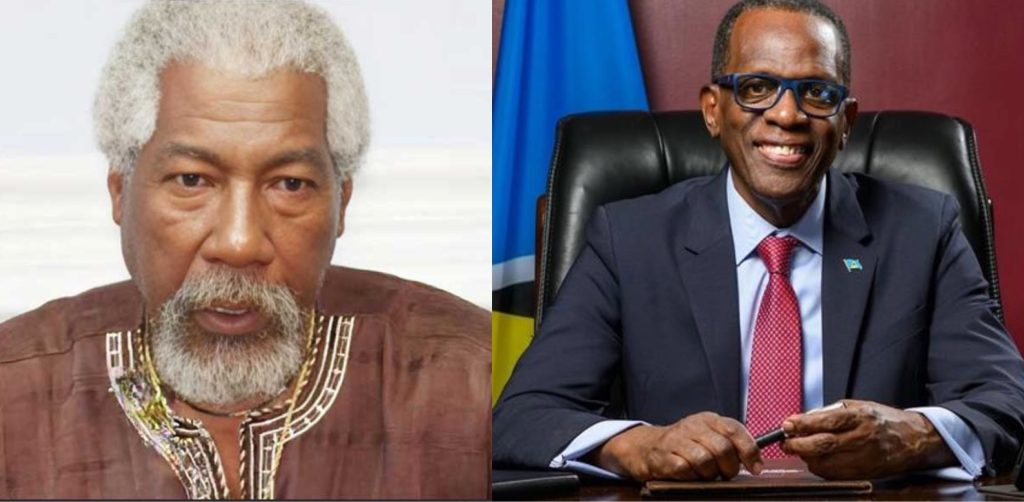
Chair of the Saint Lucia Reparations Committee Earl Bousquet described the development as significant, while emphasizing the need for concrete action beyond symbolism.
“The situation is that in 2021 the United Nations declared transatlantic slavery as the worst crime against humanity,” Bousquet noted. “Five years later in 2026, Ghana moves a resolution to confirm that, and it has to go around the world to get the same United Nations to confirm what it declared.”
He said the resolution reinforces a long-standing historical truth.
“It is really symbolic from the standpoint that it only confirms what we always knew. Nobody can justify slavery as being anything but an inhuman act,” Bousquet stated. “But symbolism is also important.”
Bousquet urged that the resolution be used as a foundation for advancing reparatory justice across the Caribbean.
“Having won that symbolic victory at the United Nations, it is important for us to use it as a step further towards achieving the 10-point plan for reparatory justice being pursued by the CARICOM Reparations Commission,” he said.
He also called for broader recognition of historical injustices.
“We need to press for native genocide to be equalized as a similar crime against humanity to justify our equal call for reparations for transatlantic slavery and native genocide,” Bousquet added.
Meanwhile, Prime Minister Philip J Pierre welcomed the resolution, describing it as both timely and necessary.
“Literally, the Atlantic slave trade was a reality. Hundreds of thousands, millions of people were taken from their homes and enslaved,” Pierre said. “Some of us would prefer to forget it, but it happened.”
He stressed the importance of acknowledging history while continuing discussions on reparations.
“I think the resolution was necessary. That is part of our history that we should never forget,” he said. “There is talk on reparations, and that discussion is alive and kicking. Where it will get depends on many things.”
Pierre expressed satisfaction with the outcome at the United Nations.
“I think the resolution was timely, I think it was necessary, and I am happy that it passed,” he stated.
Responding to comments by a United Kingdom politician who suggested the UK should have opposed the resolution, Pierre adopted a measured tone.
“That is her opinion,” he said. “I used to say during my campaign, ‘Father, forgive them for they do not know what they are saying.’ That is a case I would make there.”
The resolution has reignited international debate on reparations, with Caribbean leaders and advocacy groups continuing to press for tangible redress for the enduring impacts of slavery and colonialism.