

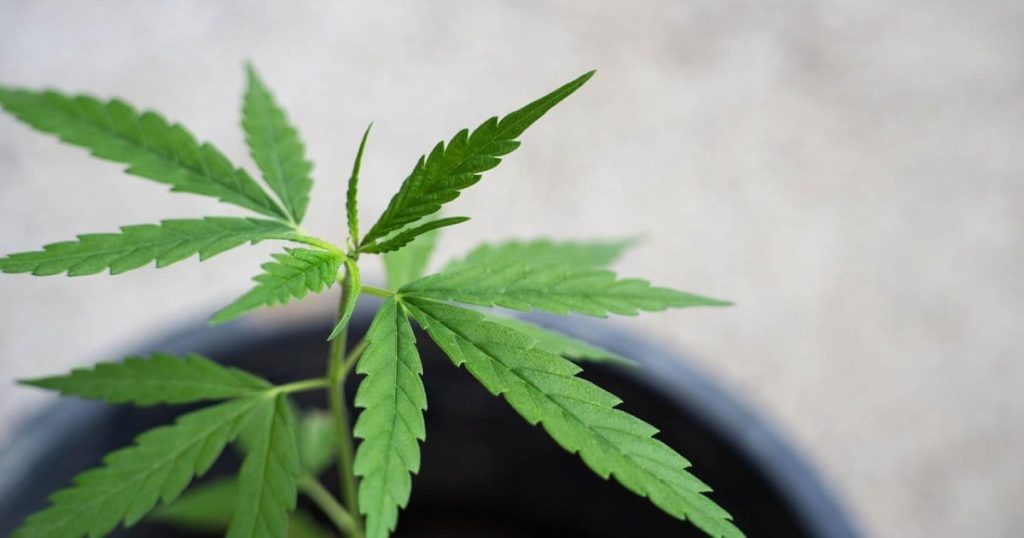
As Saint Lucia moves closer to establishing a regulated cannabis industry, key stakeholders are intensifying discussions around the legal, medical and economic frameworks needed to guide its development.
The Regulated Substances Authority’s recent panel discussion held over the weekend, titled “Diving Into The Weeds,” brought together policymakers, health officials and industry representatives to examine the opportunities and challenges associated with cannabis regulation.
The February 28 event, held on the lawn of the Aquatic Centre, formed part of a broader national dialogue on the sector’s future.
Chief Executive Officer of the Regulated Substances Authority, Dylan Norbert-Inglis, underscored the importance of robust regulatory systems, stressing that cannabis must be treated like any other regulated product in the marketplace.
“So, the laws must and do provide for testing. They must and do provide for cultivation and harvesting practices. They must and do provide for packaging and labeling requirements,” Norbert-Inglis explained.
“It isn’t a cannabis thing, it’s a commerce thing. It is what you expect of every product on your supermarket shelves and more importantly every product, every medicine in a pharmacy,” he added.
The Regulated Substances Authority (RSA) was established under the Regulated Substances Act in 2023 to serve as the national body responsible for overseeing the regulation of substances in Saint Lucia.
The Authority plays a central role in developing and enforcing legislation for a range of regulated substances, including cannabis, radioactive materials, petroleum and explosives.
From a public health perspective, Chief Medical Officer Dr Sharon Belmar-George drew a clear distinction between medicinal and recreational cannabis use, warning of the potential risks associated with unregulated consumption.
“Medicinal cannabis uses controlled strains and doses, targets specific health conditions, and the treatment is guided by health professional,” she stated.
“But recreational cannabis, there’s no documented safeguards for recreational use, there’s a risk of mixing with other unknown substances during preparation, and there’s also the possibility of newer less invasive modes of administration leading to potential overconsumption,” Belmar-George cautioned.
Meanwhile, Minister in the Ministry of Commerce, John Paul Estephane, highlighted the need for a balanced approach that safeguards public health while ensuring economic inclusivity.
“There are important considerations for us in terms of public health and safety. We need to ensure that our young people, they don’t fall prey to the cannabis, and we have a system in place and policy in place that is robust enough to ensure that, if you are below a certain age that you cannot get involved in that,” he said.
Estephane also pointed to the need for reform within the justice system and equitable access to emerging opportunities.
“I heard about people who have been persecuted for use of the herb, and we need to change that going forward,” he noted.
As discussions continue, the panel highlighted the complexity of building a cannabis industry that balances economic potential with public health, safety and fairness, signaling that careful regulation will be key to its long-term success.