

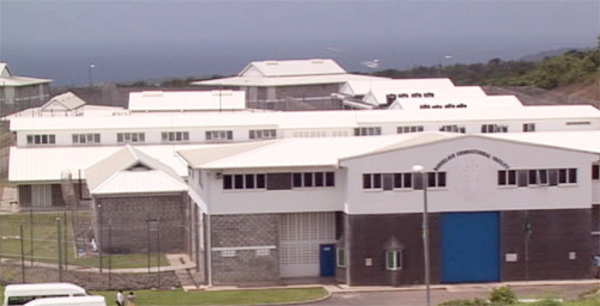
Despite an 11 percent reduction in its inmate population, the Bordelais Correctional Facility remains under severe strain, grappling with overcrowding, security breaches, and limited financial resources, according to testimony presented during an information session on Friday, December 12th, 2025.
Defense attorneys and prison officials gathered to discuss the issues facing the Bordelais Correctional Facility, staff members and inmates.
Prison officials explained that the facility is currently operating at 96 percent capacity, a level that continues to pose serious challenges for management and inmate safety.
Acting Deputy Director of Corrections Chris Felix explained that recent reductions in numbers have been largely driven by court intervention and parole decisions rather than structural reform within the prison system.
“In regard to our remand population, the intervention is by the courts in the number of persons, the amount of court settings that they have and the remands going to court,” Felix said. “In regard to our penal inmates, we depend on the parole department to oversee how we can send some persons on parole and this is what stands at this point.”
One of the most pressing concerns highlighted during the hearing was the continued smuggling and use of cellular phones within the facility, which has raised alarm among legal practitioners and law enforcement officials. Defense attorney Jeannot Michel Walters described the issue as deeply troubling, particularly in cases involving witness intimidation.
“In a recent matter, these concerns were brought to the fore because witnesses were getting phone calls from defendants or their associates, allegedly from within the prison,” Walters said. “Yeah, that’s a problem. They’re going to have to figure it out.”
Felix acknowledged the seriousness of the situation and said the prison administration is attempting to deploy new technologies to curb illegal phone use and drone activity linked to contraband drops.
“In regards to the reception of the cell phones, we are putting measures in place,” Felix said. “We are using some new technology brought in that we can control the reception of the cell phones. We also have a drone who has done surveillance before the person drops off, so we are currently trying to get the technology in place so we can control these drones.”
Gang activity within the prison has also forced officials to rethink how inmates are managed during recreation periods. Felix told the court that the facility can no longer allow large groups of inmates to gather at the same time, as was done in the past.
“The way moving forward is to recreate them differently,” he explained. “We will not put everybody out at the same time, so the recreation period is totally different. Compared to in the past where we could have at least 100 persons out together, at this point we cannot have this set amount of persons at one time.”
Despite these adjustments, officials admitted that the facility lacks sufficient funding to properly implement and sustain key operational and rehabilitation programs. The court heard that while incremental improvements are being pursued, Bordelais continues to operate under conditions that leave little room for error.
The disclosures have renewed concerns about inmate management, public safety and the broader need for systemic reform within Saint Lucia’s correctional system, as authorities attempt to balance security, rehabilitation and constitutional obligations under increasingly constrained conditions.