

The Ministry of Health, Wellness and Nutrition, in collaboration with the Royal Saint Lucia Police Force, has begun a series of Situational Awareness Workshops aimed at strengthening workplace safety and preparedness among healthcare personnel across Saint Lucia.
The initiative targets nurses and other staff working within the island’s polyclinics and forms part of a broader effort by the ministry to promote a safer and more responsive healthcare environment.
“The Situational Awareness Workshop entails sensitising the nurses at the different polyclinics around the island, because we will be doing all the regions on what to look for, especially when they are at work,” Mathieu said.
According to the police officer, the training places emphasis on recognizing suspicious behaviour and understanding how individuals may act when they enter medical facilities.
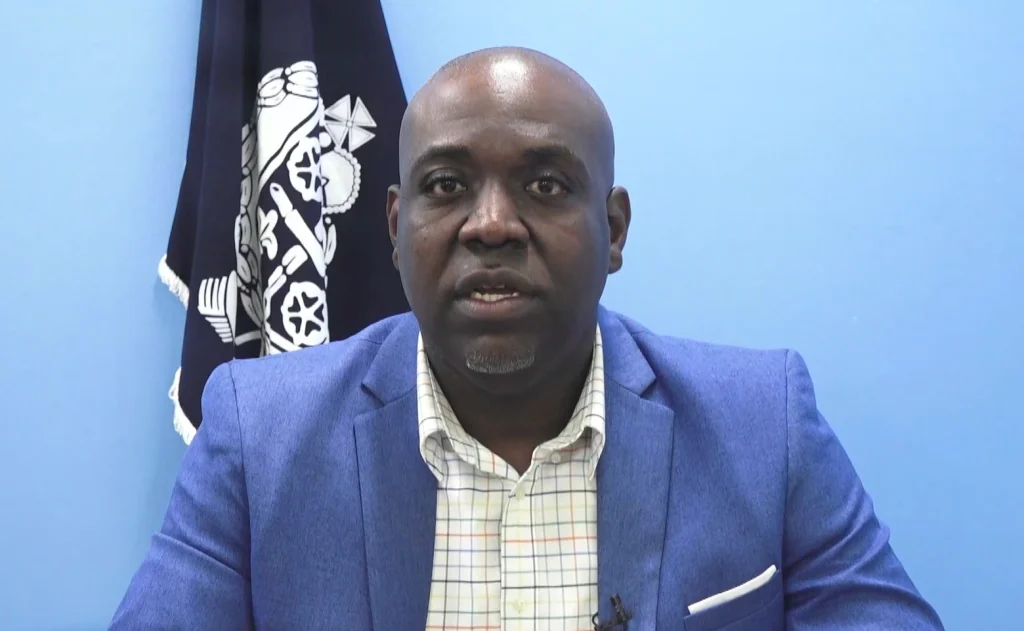
Police Inspector Shervon Mathieu explained that the programme is designed to help healthcare workers better recognise potential threats and respond appropriately to difficult or volatile situations.
“We will be speaking about suspicious behaviour, being aware of their surroundings, signs and behavioural patterns of persons coming in and out of the polyclinics,” he noted.
Mathieu added that healthcare workers are increasingly encountering individuals involved in violent incidents who arrive at clinics seeking medical attention.
“Right now, we are in an age where crime and violence has increased, and a lot of persons who get shot or stabbed normally go to those medical facilities for help,” he explained.
“In some cases, you have those persons coming in there and they will be aggressive, so the training will help nurses understand how they as professionals, can attempt to deal with aggressive persons who come into the polyclinics.”
The workshops include both classroom instruction and practical exercises intended to reinforce the lessons presented during the sessions.
“The format of the workshop will first be a PowerPoint presentation and then we will do a small simulation exercise at a later date,” Mathieu said.
Topics covered in the training include identifying suspicious activity, reading behavioral cues, maintaining awareness of one’s surroundings and applying appropriate responses when confronted with aggressive individuals.
“We deal with topics like dealing with aggressive persons, signs and types of suspicious activity, being aware of your surroundings and cues as it relates to a person’s behaviour and what to look for,” he added.
Healthcare workers participating in the training say the initiative comes at an important time as safety concerns within the workplace continue to grow.
Sirmina Charles, a nurse at the Gros Islet Polyclinic, said the sessions are helping staff better prepare for the realities they face in their daily work.
“Safety has been a thing that has become of great concern for us because times have changed,” Charles said.
“We have a lot of crime happening and we have persons coming to us for assistance because of those crimes.”
She noted that the training also helps healthcare workers manage the anxiety that can accompany interactions with individuals involved in violent incidents.
“As a female you sometimes feel a bit uneasy attending to somebody who was involved in a crime,” Charles explained.
“So being part of the training today will help me and my other colleagues have a bit of an open mind as to how we move forward with those kinds of individuals and situations.”
The Situational Awareness Workshops are expected to be conducted across all health regions, equipping frontline healthcare workers with practical skills to maintain safety while continuing to deliver essential medical services to the public.