

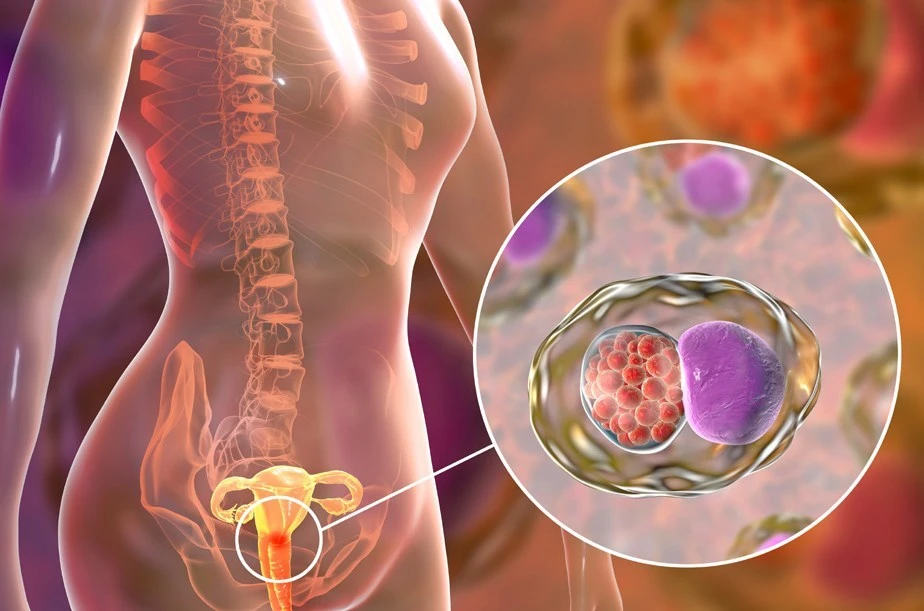
Cervical cancer continues to pose a serious threat to the health and lives of women in Saint Lucia, prompting renewed calls for early detection, vaccination, and public awareness during Cervical Health Awareness Month this January.
Health officials, alongside the World Health Organisation, are stressing that cervical cancer is largely preventable when screening and vaccination programmes are fully utilised.
Oncologist Dr Owen Gabriel highlighted the global and regional burden of the disease, noting that its impact is disproportionately felt in developing countries.
“We know it’s the fourth most common cancer in women in the world. In lower developed countries like Saint Lucia, it runs higher. It’s the second most common cancer in women,” he explained.
Dr Gabriel said the growing prevalence of the disease led the World Health Organisation to adopt an ambitious global strategy in 2020.
“In 2020, WHO took a new tangent in addressing this problem because it was a growing problem, and they decided that they wanted the elimination of cervical cancer by the year 2100,” he stated.
Central to that strategy is a three-pillar approach focused on vaccination, screening, and treatment.
According to Dr Gabriel, “90 per cent of young women should be vaccinated by age 15 in all countries in order to eliminate cervical cancer.” He added that screening remains equally vital, noting that women should be tested at key stages of life.
“Women by age 35 be tested using highly sensitive, like what we do now, HPV DNA testing and repeated at age 45. Ninety per cent of women who have invasive cancer [should] be managed adequately,” he said.
While Saint Lucia has made progress in screening and early management, Dr Gabriel acknowledged existing gaps in treatment for advanced cases.
“Community gynaecologists who sees about those pre-invasive regions and in the hospital setting, we are able to manage some women who have this cancer,” he explained. However, he pointed out a significant limitation within the local health system.
“We see that there’s a gap in this part of the programme because we do not have radiotherapy on the island, which is necessary for treating advanced cervical cancers,” he said.
As Cervical Health Awareness Month continues, health authorities are encouraging women to take advantage of screening services, parents to learn more about HPV vaccination, and communities to engage in open discussions about cervical health.