The 2026-2027 Appropriation Bill was presented by Prime Minister Philip J Pierre on April 21st as a relief-driven package aimed at easing financial pressures while supporting growth across key sectors.
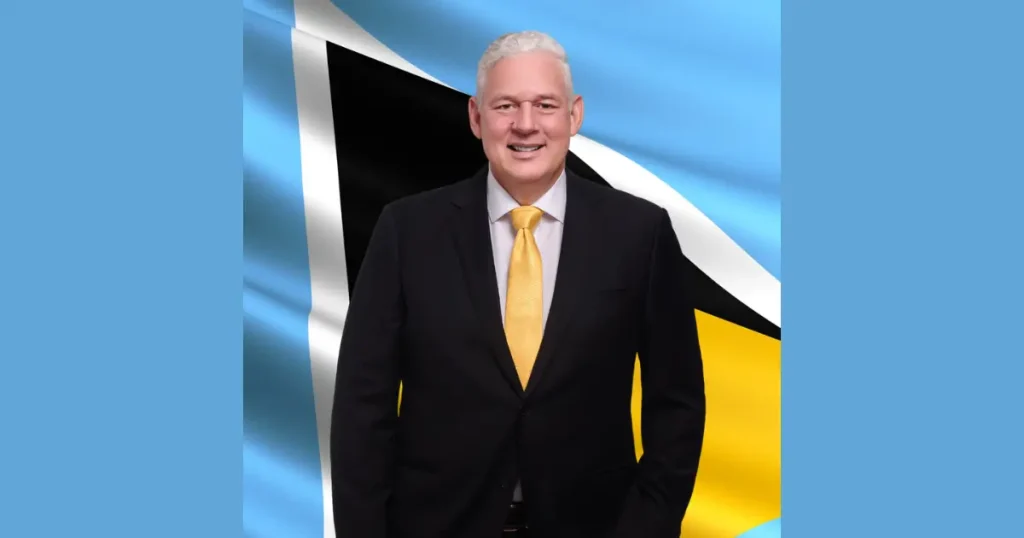
However, Opposition Leader Allen Chastanet has cautioned that underlying fiscal risks, particularly the country’s rising debt burden, could undermine those efforts if not carefully managed.
While acknowledging the intent behind the proposed measures, Chastanet expressed broad support for the social objectives outlined in the budget.
“I think that the budget speech, first of all, in terms of what it wants to deliver for social development in this country, are all very worthwhile and would find complete support within my party,” he said. “I don’t think anybody is going to argue about wanting to improve the quality of life of all Saint Lucians. The question is always how.”
Central to his concerns is the trajectory of the country’s debt-to-GDP ratio, which he described as a key indicator of fiscal sustainability.
“Debt to GDP is a ratio. You have your debt on the top and you have your GDP on the bottom,” Chastanet explained. “In order for the ratio to improve, it means that your GDP has to grow faster than your debt. The moment it goes into reverse, it means that the ratio will become higher, which is an indication that there’s going to be less money available to do the things we want to do.”
He also criticized the government’s decision not to adjust the tax structure amid rising global costs, arguing that this could place additional strain on consumers.
“Other countries are subsidizing their electricity companies to prevent the surcharge from being put in place. Other countries are taking off taxes on essential goods,” he noted.
“We are seeing a government that basically is saying to all of us, they are not going to change their tax structure. In essence, we can all expect that the higher prices are going to be transferred to the consumers.”
Chastanet further pointed to signs of economic slowdown, linking them to reduced consumer spending and declining activity in key sectors.
“There was a contraction in the economy, and it was led by the decline in tourism, which looks like it is going to decline again this year, but also wholesale and retail sales were down,” he said. “So, it means that Saint Lucians were spending less money because they had less money to spend.”
He warned that maintaining current tax policies in such an environment could deepen the economic impact.
“If you allow the taxes to remain, it means the economic impact is going to be greater and it is going to have a deeper impact on the revenue that government is collecting,” he added.
The contrasting positions underscore a broader debate over the balance between providing immediate relief and maintaining long-term fiscal stability, as the country navigates uncertain global economic conditions.