

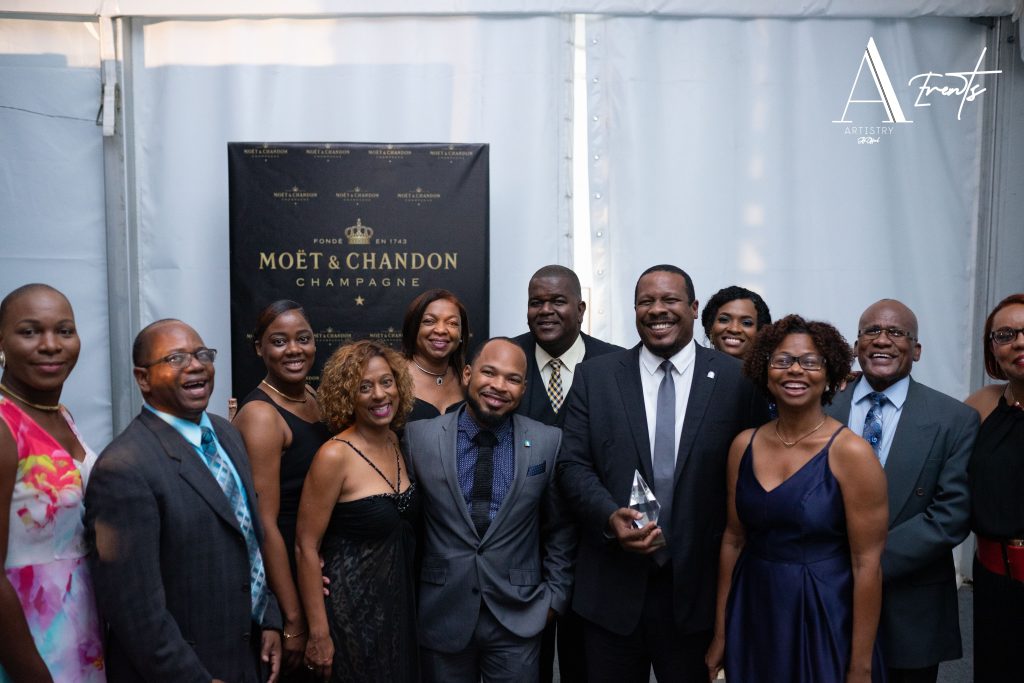
Business leaders and economic experts are urging Saint Lucia to dramatically rethink its development strategy, warning that the country’s dependence on a handful of sectors places it at serious risk as global disruptions intensify.
The message emerged strongly from the Saint Lucia Chamber of Commerce’s annual meeting, held on November 26, 2025, where the call for diversification was described as both urgent and unavoidable.
Feature speaker Dr. Keith Nurse cautioned that the global economy is undergoing a rapid transformation that leaves no room for complacency.
“If the global economy is indeed moving through this very rapid process of transformation and creative destruction, then status quo maintenance is not a good option,” he told members.
“It does not matter what industry you are in. If you stay in your hole, as I call it, at some point in time somebody is going to displace you or disrupt you.”
Dr. Nurse stressed that the island must adopt a forward-looking mindset that prioritises innovation, skills development, and technological readiness. Remaining locked into traditional models, he argued, exposes the country to the same vulnerabilities that repeatedly surface during global crises.
Chamber President Ross Gardner echoed those concerns and called for a complete policy reset.
“We must therefore plan for and build a diversified economy, one that grows, manufactures, innovates and serves, where our people participate meaningfully in productive activities that justly reward effort,” Gardner said.
He emphasized that such a shift cannot happen without major changes in how government policies are crafted.
“To achieve this, a shift in the design of policy and legislation is critical. We must move away from narrow sector specific support frameworks towards outcome oriented policies that foster creativity, innovation, and sustainable enterprise,” he stated. “Only then can we truly unleash the entrepreneurial spirit of our people.”
The Chamber’s annual meeting underscored a shared belief among private sector leaders: Saint Lucia cannot afford to wait for the next crisis. Instead, it must actively construct what participants described as a future-proofed economic model driven by technology, entrepreneurship, and smarter investment in human capital.