

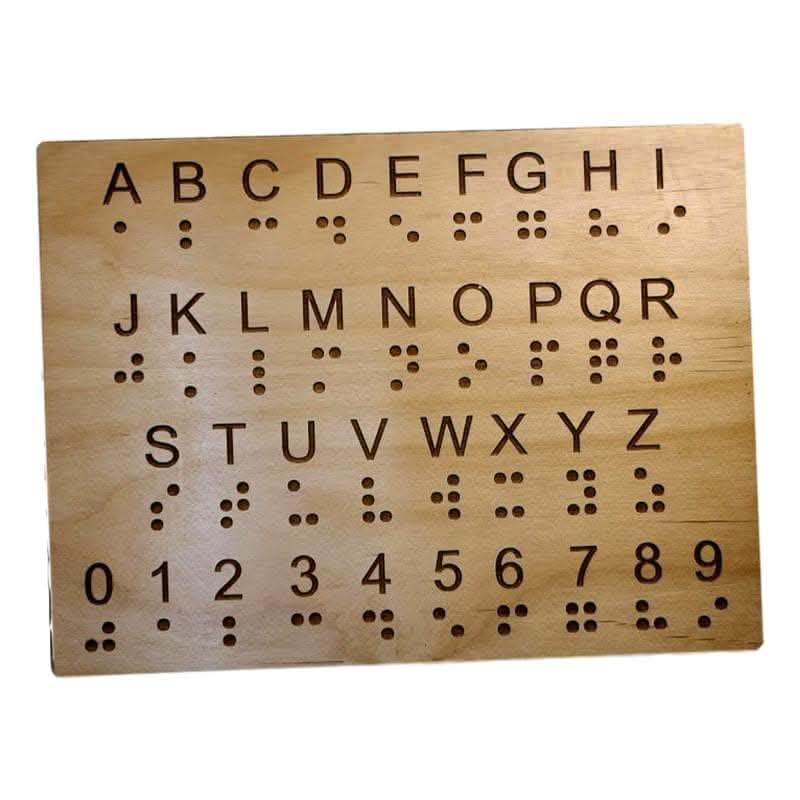
As the world observed World Braille Day on January 4, advocates for the visually impaired renewed calls to protect and promote Braille, warning that the tactile reading system remains essential for true literacy and independence even as digital technologies continue to expand.
Executive Director of the Blind Welfare Association, Anthony Avril, stressed that Braille occupies a unique and irreplaceable role in the lives of people who are blind.
He explained that while assistive technologies have improved access to information, they cannot replace the direct engagement that Braille provides.
“And yet braille still remain the only medium that really takes you direct physical contact with the written word because you can actually touch it,” Avril said. He contrasted this with screen-based tools, noting that they often rely on audio output rather than independent reading.
“Whereas with the electronic system, yes, you’re using all the devices and the computers, but the people who have total physical blindness like me, reader that reads to you. Whereas with Braille, you can actually read for yourself.”
Avril warned that the growing dependence on digital shortcuts risks sidelining Braille instruction, particularly among younger users.
He emphasised that literacy is more than access to spoken information and that the ability to read and write independently remains fundamental to education, employment and personal dignity.
The Blind Welfare Association continues to work with students and adults interested in learning or maintaining Braille skills, despite ongoing challenges.
“Naturally, we have to try to accommodate the students who are in need of braille,” Avril said. “We do have a number of adults as well who wouldn’t mind giving it a go.”
He acknowledged that resources and capacity remain limited, but said the organisation is committed to keeping Braille alive and accessible.
“So we have our challenges, but we want to continue to promote and to encourage people to keep their braille. Keep using braille. Like those who need to, you know, keep using braille.”