

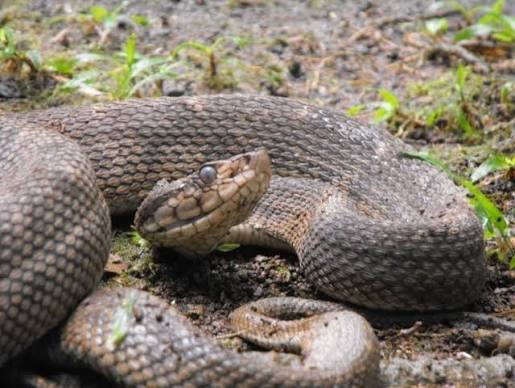
Agriculture Minister Lisa Jawahir has raised concerns over an increase in snake sightings and snake bite incidents across Saint Lucia, following a recent case involving a three-year-old girl from Millet who was bitten by a snake. While the child is reportedly recovering well, the incident has renewed attention on what officials describe as a growing challenge in several communities.
Speaking on the issue, Jawahir said the Ministry of Agriculture has been engaging directly with residents in affected areas, particularly in Tet Chemin, Millet, where concerns about snake activity have intensified.
“We understood the concern of the residents of Tetchiman particularly, in particular, and so the ministry went down to the community,” the minister explained. “We had a community meeting of maybe about 70 persons where we were sharing with them how to manage this issue that they of course have been dealing with for a very long time now but certainly the sightings have increased.”
Jawahir noted that reports of snake sightings are no longer confined to traditional habitats and are being recorded in areas where they were previously uncommon.
“As it relates to snake sightings in other parts of Saint Lucia, some of them are very strange,” she said.
The minister attributed the trend in part to environmental changes and shifts in land use across the island.
“In addition to that, we’ve seen a lot of abandoned banana plantations, and so they’ve become forested areas,” Jawahir explained. “So the snakes, of course, are moving into those habitats.”
Officials have also suggested that warmer temperatures and the inadvertent transportation of snakes through agricultural and construction activities may be contributing factors.
Addressing concerns about medical treatment, Jawahir stressed that the administration of antivenom is far more complex than many people realize and requires specialized medical support.
“As I’m not the Minister for Health, we have understood as time progresses, as we’ve been learning more about this issue, that the antivenom cannot be issued like a vaccine,” she said.
“So say for example, you could have gone to a health center and just given somebody a vaccine. It does not work that way.”
The minister explained that healthcare facilities must have appropriate equipment and personnel in place before antivenom can be safely administered.
“There are a lot of supporting mechanisms that need to be in place, including infrastructure such as defibrillators, IV, and a lot of other medical personnel that need to be on hand,” Jawahir stated.
She warned that severe reactions to snake bites can trigger serious medical complications.
“Because the biggest risk is the reaction that somebody could have to the snake bite, and they could suffer heart attacks, they could suffer organ failure,” she said.
The government has been working with health authorities and community stakeholders to improve public awareness and response measures as snake-related incidents continue to emerge. Residents are being encouraged to keep their surroundings clear of overgrown vegetation, remain alert when working outdoors, and seek immediate medical attention in the event of a snake bite.