

The Ministry of Health, Wellness and Nutrition has issued a travel advisory and intensified surveillance measures in response to the ongoing Ebola Virus Disease outbreak in parts of Africa, as global health authorities classify the situation as a Public Health Emergency of International Concern.
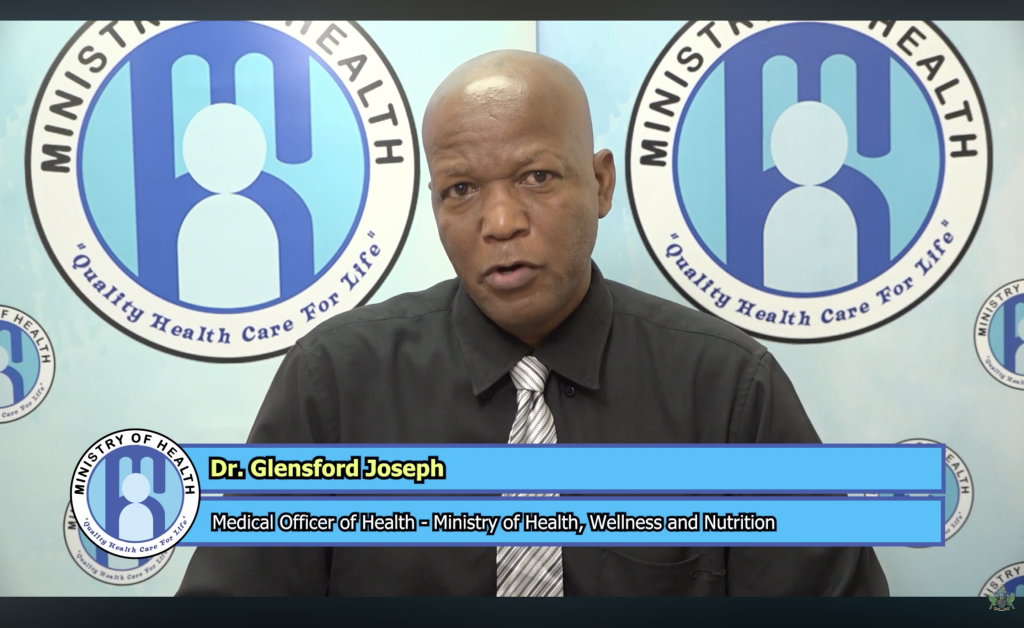
In a release on June 9, Medical Officer for Health, Dr Glensford Joseph, confirmed that the World Health Organization had taken formal action under the International Health Regulations.
He explained that “on Monday, May 17, the World Health Organization officially declared the ongoing Ebola virus disease outbreak affecting the Democratic Republic of the Congo and Uganda a public health emergency of international concern under the International Health Regulations 2005.”
He emphasized that the declaration underscores the need for heightened vigilance, noting that “given this declaration, there is a need for heightened international and regional vigilance and coordination, especially with the current situation in conflict-affected regions with limited access to health care services.”
Dr Joseph confirmed that while Saint Lucia remains free of the disease, authorities are taking no chances.
“The Ministry of Health, Wellness and Nutrition is closely monitoring the ongoing Ebola virus disease outbreak,” he said.
He further stressed that although there are no detected cases locally or within the wider Caribbean, the risk of importation remains due to global mobility.
“While no cases have been detected in Saint Lucia or the wider Caribbean region, the risk of importation through travel remains as the region is highly connected through international travel,” he explained.
As part of precautionary measures, the Government of Saint Lucia has issued a formal travel advisory targeting high-risk destinations.
He further outlined the countries of concern, advising that “the government of Saint Lucia strongly advises nationals to avoid non-essential travel to the Democratic Republic of the Congo, Uganda, and South Sudan, where the outbreak and security risks are most severe.”
Additional caution has also been urged for neighboring states, with Dr Joseph noting that “neighboring countries, including Rwanda, Kenya, Zambia, the Central African Republic, Tanzania, Ethiopia, Angola, the Republic of the Congo, and Burundi are also considered high risk, and extreme caution is urged.”
The advisory has been issued for an initial period of three months and will remain under review as the situation evolves, he added.
Stricter public health measures will also apply to travelers returning from affected regions. Dr Joseph stated that “nationals as well as non-nationals returning from any of the above-mentioned countries will be required to undergo 21 days of quarantine from the last day of exposure.”
He further urged vigilance for symptoms associated with the disease, warning that “anyone who develops symptoms such as fever, weakness, vomiting or bleeding after visiting these countries must seek immediate medical assistance.”
The Ministry of Health has indicated that it will continue strengthening surveillance systems and preparedness measures to reduce the risk of importation and ensure early detection and response capability.
Officials maintain that while the immediate risk to Saint Lucia remains low, continued global connectivity requires sustained caution, coordination, and adherence to public health guidance.