

Stakeholders within Saint Lucia’s financial sector are expressing optimism following consultations on the country’s newly approved insolvency regulations, which are expected to strengthen debt rehabilitation efforts and improve financial stability for individuals facing economic hardship.
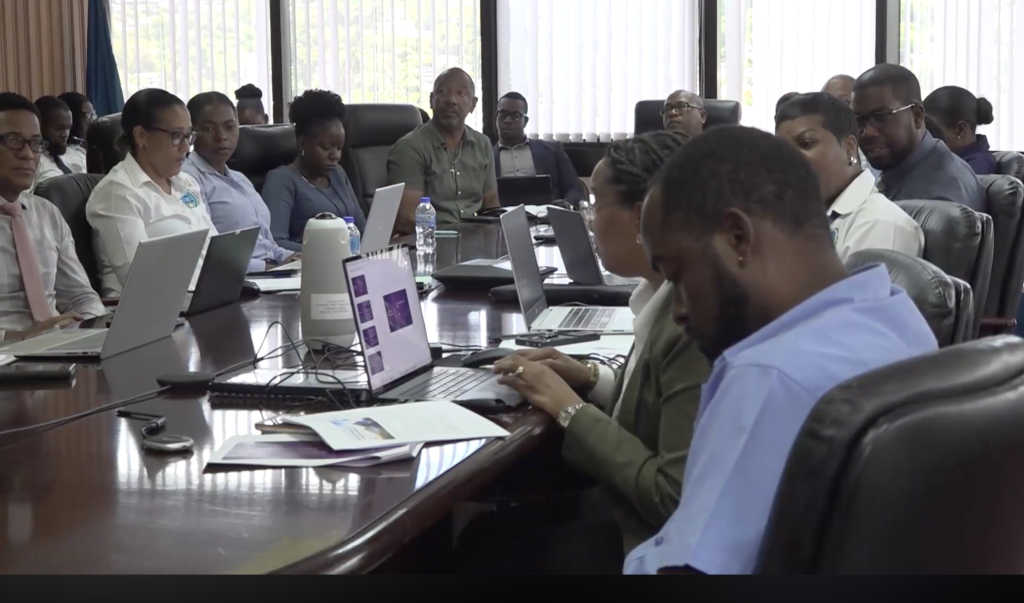
The consultations, hosted by the National Competitiveness and Productivity Council in collaboration with the Office of the Supervisor of Insolvency this week, brought together representatives from the banking sector, credit unions, and other financial institutions to discuss implementation of the new insolvency framework.
General Manager of the Saint Lucia Cooperative Credit Union League, Shane Felicien, said the credit union movement views the legislation as an important support mechanism for financially distressed members.
“The credit unions are an integral part of our society and actually are the ones who help build the smaller members of society into having an equity and a stake in society,” Felicien stated.
He explained that the Insolvency Act would provide an additional layer of support for persons struggling with debt-related challenges.
“So, the introduction of the Insolvency Act we see as will be beneficial for helping not only people who are facing slight or minor insolvency or debt issues, but we are there as a credit union sector to work with them,” he said.
Felicien also commended the government for advancing both the legislation and the supporting regulations needed for implementation.
“And so we applaud the government for passing the Act,” he remarked. “And even more important, passing the regulations to make sure that the Act is affected.”
President of the Saint Lucia Bankers’ Association and Country Manager for Republic Bank EC Ltd, Ron Leon, also highlighted the opportunities the legislation creates for financially vulnerable individuals.
“I think the insolvency legislation provides a lot of opportunities for persons who have fallen into hard times to have a supervisor, a trustee, somebody who could understand their financial situation and actually represent them to that financial institution,” Leon explained.
He said the process could help debtors negotiate more manageable financial arrangements after a proper assessment of their circumstances.
“These are the opportunities that we have after having consulted that person so that they could get to a better position,” Leon added.
Meanwhile, Supervisor for Bankruptcy and Insolvency, Nathalie Dusauzay, stressed the importance of engaging financial institutions directly as part of the implementation process.
“It was important for us to have this session with the financial institution which included the banking sector, the credit union sector, money services businesses as well as credit institution that falls under the banking act,” Dusauzay stated.
According to Dusauzay, the discussions were aimed at ensuring cooperation between creditors and debtors under the new legal framework.
“This session was important for us to understand that how can the secured creditors such as financial institution can work with a debtor in terms of ensuring that one can be rehabilitated under the legislation,” she said.
Officials say the insolvency framework is designed not only to address financial collapse, but also to provide struggling individuals and businesses with structured opportunities for recovery and rehabilitation.