

The Ministry of Health, Wellness and Nutrition has temporarily closed the Dr. Betty Wells Urban Polyclinic to facilitate an environmental health intervention after bed bugs were identified within sections of the facility.
According to the Ministry, the Environmental Health Division, supported by the Vector Control Team, has commenced a comprehensive assessment and treatment exercise aimed at determining the extent of the infestation and implementing control measures.
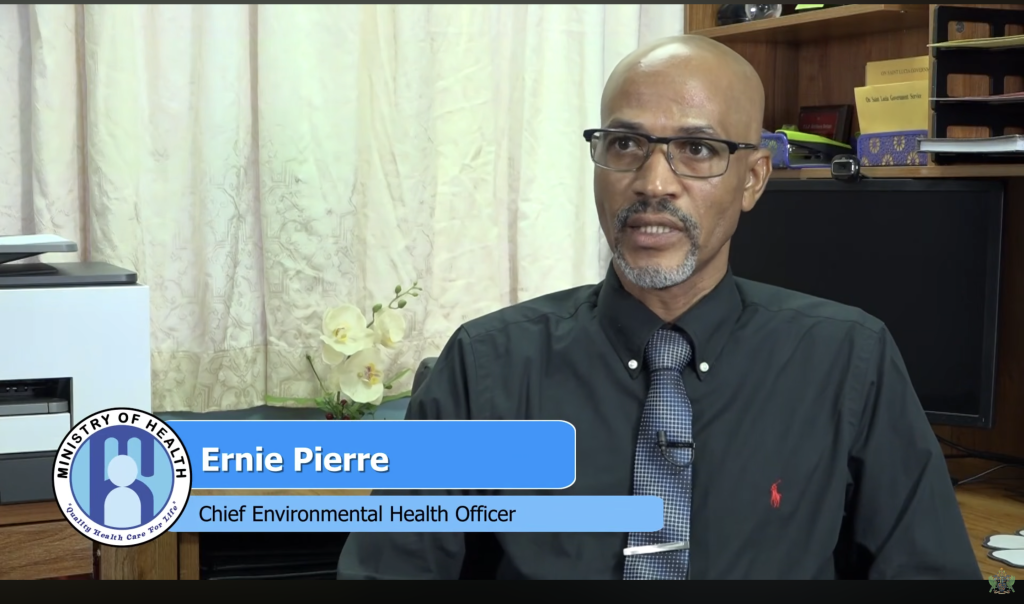
In a video address released on May 15, Chief Environmental Health Officer Ernie Pierre stressed that bed bugs are a widespread issue and can be found in many environments, including high-end accommodation facilities.
“Bed bugs can be found in a number of areas. They are known to inhabit or infest five-star resorts, accommodations, they travel through the airports,” Pierre explained.
“So normally they take a ride, they hike on persons and I want to dispel that not having said that or having identified bed bugs in some of the chairs and in the areas that are being treated, it doesn’t necessarily mean that it originated from there.”
Pierre said authorities are implementing ongoing monitoring and training measures to reduce the risk of reintroduction and future outbreaks.
“We are putting measures in place to ensure continuity in terms of monitoring,” he stated.
“We are training our staff, both staff of the facility, and we are building redundancy within our system to continue to monitor and to treat because it does not mean that a one-time treatment may necessarily solve the problem in its entirety because it can be coming from community and other areas and come into the facility.”
The Chief Environmental Health Officer explained that bed bugs survive by feeding on blood and typically remain close to human hosts.
“Bedbugs, they live in close proximity to the host, which is human in most of the cases,” Pierre noted.
“So they typically bite, and they do so at night most of the time. They are very active between the hours of midnight to five in the morning.”
He warned, however, that severe infestations can lead to daytime biting as well.
“When infestation is high, they can bite during the course of the day as well, because a blood meal for them is really necessary for their survival.”
Pierre also outlined signs residents can look for when trying to identify infestations in their homes.
“One needs to be able to inspect and to identify because management of it comes first with the identification of you having a problem,” he said. “You need to inspect the seams of your chairs, seams of mattresses. You may see blood marks on your bed, you might see dark stains of blood. These are all signs that you may have an infestation.”
He added that eggs and exoskeletons may also be visible along furniture seams and bedding.
Pierre cautioned that infestations could become expensive if not addressed early.
“Bed bug problems can be very, very costly because depending on the extent of the infestation, you may have loss of furniture, you may have to dispose of the mattress because it can be so heavily infested that it does not make much sense treating it,” he explained.
The Environmental Health Division is also encouraging members of the public to take precautions when travelling or purchasing used household items.
“If you’re travelling, there are clothes that you wear, you need to get it to the machine, wash them in hot water,” Pierre advised.
“If you have a dryer, you could dry it in there. Even drying in sunshine.”
He further warned that used mattresses, clothing, and linen can introduce infestations into homes if not properly treated.
“Sometimes, the ironing of those things, the heat in ironing can destroy the eggs as well,” he added.
The Ministry says it remains committed to maintaining safe and hygienic healthcare environments and will continue to provide updates to the public as the intervention progresses.